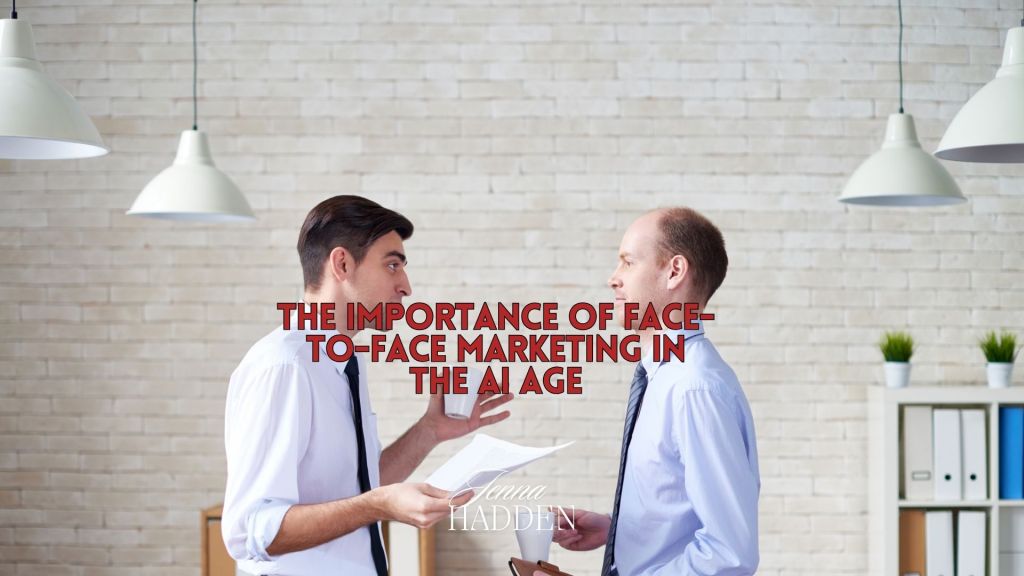
In today’s rapidly evolving landscape, where artificial intelligence is revolutionising industries and altering how we interact, one fundamental truth remains—nothing can replace the power of human connection.
While technological avenues offer efficiency and broad reach, they often lack the authenticity that face-to-face marketing delivers.
In this exploration, we delve into the enduring essence of human engagement and why it is essential for cultivating trust, building lasting relationships, and resonating profoundly with consumers.
Join me as we uncover why genuine connections remain the cornerstone of successful marketing strategies, even amidst the increasing dominance of technology.
Understanding Face-to-Face Marketing
Face-to-face marketing is more than just a traditional approach; it’s a profound engagement strategy that centres on personal interactions.
In a world of emails, online advertisements, and automated messaging, these direct encounters create memorable experiences that can foster enduring relationships. Here’s why it stands out:
- Authenticity: Direct engagement allows businesses to showcase their genuine selves, creating a sense of authenticity that resonates with consumers.
- Trust Building: Personalised interactions build trust—consumers are more likely to believe in a brand that invests time in understanding their needs.
- Emotional Connection: Engaging face-to-face creates emotional ties that digital interactions often fail to achieve.
- Immediate Feedback: In-person exchanges provide immediate feedback, helping businesses pivot and adapt their strategies swiftly.
The Role of Authenticity in Marketing
Authenticity is the cornerstone of personal branding and marketing. When companies take the time to meet customers and engage meaningfully, they convey values that resonate on a deeper level.
This goes beyond selling products; it’s about sharing stories. Every interaction becomes an opportunity to communicate a brand’s essence.
Building Relationships That Last
Relationships built on trust lead to loyalty, and loyalty translates to sustainable success.
In the AI era, where relationships can often feel transactional or superficial, face-to-face marketing paves the way for genuine connections.
Here’s how face-to-face marketing facilitates lasting relationships:
- Human-Centric Approach: Rather than a focus solely on transactions, brands that engage directly prioritise human connections.
- Personal Touch: Personalised experiences leave consumers feeling valued and understood, enhancing brand loyalty.
- Nurturing Relationships: Face-to-face interactions allow continuous relationship building rather than single transactions, significantly enhancing customer retention.
Engagement Strategies in Face-to-Face Marketing
Face-to-face marketing allows for divergence from traditional methods, focusing on unique engagement strategies that stand out:
- Community Events: Hosting or participating in community events create opportunities for brands to connect directly with consumers.
- Networking Events: Professionals can expand associations that benefit their businesses in unexpected ways.
- Interactive Demonstrations: These give potential customers hands-on experience with a product or service, fostering trust through transparency.
The Impact of Digital Marketing
While digital marketing undoubtedly plays a crucial role in the modern landscape, it often lacks the emotional depth and authenticity that human connection provides. Here’s how digital marketing can miss the mark:
- Over-Reliance on Automation: In an era of AI, many brands risk losing touch with the personal aspects of customer interaction.
- Standardised Messaging: Formatted and scripted messaging can feel impersonal and fails to address unique customer needs.
- Lack of Emotional Engagement: Digital marketing often prioritises metrics over meaningful connections, resulting in a disconnect.
Complementing AI with Human Touch
The integration of AI in marketing strategies can enhance efficiency, but it should not replace the intrinsic value of human connection.
Businesses must find ways to blend technology with personal touch effectively. For instance:
- Using AI for Insights: AI can analyse data to identify consumer preferences, enabling more tailored interactions during face-to-face engagements.
- Streamlining Operations: Automation can handle logistical tasks, allowing personnel to focus on meaningful interactions with clients.
- Maintaining Flexibility: Brands should remain adaptable, ensuring they can meet consumer demands while leveraging advanced technology.
The Future of Marketing: A Hybrid Approach
As we progress into a future dominated by technology, the successful brands will be those that understand the importance of blending both worlds.
A hybrid approach integrates the efficiency of AI with the irreplaceable quality of human interaction. Here’s what this might look like:
- Engagement through Technology: Leverage technology to identify opportunities for direct engagement rather than seeing it as a replacement.
- Dynamic Interactions: Use customer data gleaned from AI to facilitate personalised experiences during face-to-face meetings.
- Balancing Act: Find the sweet spot where technology enhances but doesn’t overshadow human connection.
Conclusion: Embracing Human Connection
Even in an AI-driven landscape, the human touch maintains its special significance in marketing.
Face-to-face interactions will always provide a timeless benefit that technology cannot replicate.
Brands that prioritise human connections will likely stand out in a crowded marketplace, foster lasting relationships, and ultimately drive sustainable success.
Fostering genuine connections should be not merely an option but a fundamental pillar of every marketing strategy as we move forward.
It is time to embrace the enduring power of human connection, for therein lies the foundation of trust, loyalty, and success.
#FaceToFaceMarketing #HumanConnection #TrustInMarketing #AuthenticEngagement #MarketingStrategies #AIandMarketing #RelationshipBuilding #FutureOfMarketing #CustomerLoyalty #JennaHadden


 Jenna Hadden