By Jenna Hadden
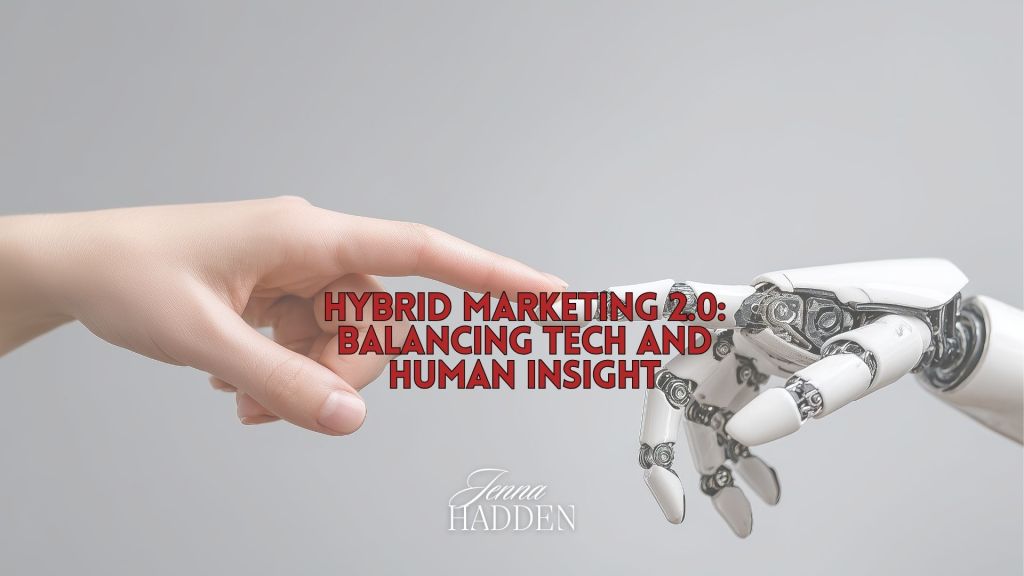
In today’s rapidly evolving digital landscape, the concept of hybrid marketing has transcended simply blending traditional methods with digital prowess. We now find ourselves at the forefront of Hybrid Marketing 2.0 is a nuanced approach poised to redefine the boundaries of technology and human engagement. As businesses strive to connect with their audiences in meaningful ways, the monumental challenge lies in deciding what role technology should play and where humanity must take the lead.
The Shift to Hybrid Marketing 2.0
The inception of hybrid marketing arose from the need to balance the efficiency of technology with the heartfelt touch of human connection. With consumers inundated with marketing messages, understanding the nuances of Hybrid Marketing 2.0 is essential for any forward-thinking business. This model embraces a dual approach, leveraging data analytics and automated solutions while emphasising the irreplaceable value of human insight and creativity.
Understanding the Essence of Hybrid Marketing
- Data-Driven Insights: Collecting consumer data is only the beginning. It’s about interpreting that data to create personalised experiences.
- Automation with Soul: While automation streamlines processes, real engagement is cultivated through thoughtful interaction.
- Creative Human Touch: Technology can analyse patterns, but it takes human intuition to craft compelling narratives that resonate.
- Seamless Integration: Hybrid marketing should blend online and offline experiences, allowing technology to enhance rather than replace human interactions.
Defining the Boundaries: When to Use Technology
As the marketing landscape continues to evolve, it’s imperative to establish clear guidelines on where technology excels and where human expertise is paramount. Technology can manage vast data streams, optimising reach, but it cannot replicate the emotional resonance that only human touch can provide. Here’s how to delineate these responsibilities:
Tasks Best Suited for Technology
- Analytics and Reporting: Automation tools can generate insights from consumer data quickly and efficiently.
- Lead Generation: Digital marketing platforms can be programmed to identify and attract potential leads, streamlining the customer acquisition process.
- Personalised Campaigns: Software can create customised content tailored to consumer behaviours, preferences, and historical interactions.
- A/B Testing: Rapid testing of multiple variants of content can lead to data-backed decisions, saving time and resources.
Where Human Input is Crucial
- Content Creation: Authentic storytelling and craftsmanship in content cannot be replicated by machines.
- Customer Relationship Management: Building trust and loyalty through genuine interaction remains a human-centric endeavour.
- Strategic Decision-Making: While technology can provide data, it’s the human capacity for creativity and intuition that drives impactful strategies.
- Crisis Management: Sensitivity and empathy are critical in handling crises, where human representatives are essential.
The Future of Hybrid Marketing
As we step further into Hybrid Marketing 2.0, businesses must remain agile, adapting to continual advancements in technology. Here’s what the future holds:
Increased Collaboration
The integration of technology into marketing efforts will encourage collaboration between teams. It’s essential for marketers to harness data-driven insights while simultaneously relying on creative minds to produce compelling content. The marriage between brand strategy and technological capability is paramount.
Enhanced Emotional Intelligence
Technology may assist in data interpretation, but human marketers must infuse emotional intelligence into their campaigns. The key will be blending behavioural data with empathetic messaging to create a resonant connection with the audience.
Focus on Ethics and Responsibility
As AI and automation become more prevalent, ethical considerations around data use and consumer privacy will take centre stage. Brands that prioritise transparency and accountability will build trust and loyalty with their audiences.
Conclusion: Embrace the Change
Hybrid Marketing 2.0 is not a trend; it is a return to authenticity in a digital world. It challenges us to embrace technology while retaining the core values of marketing, connection, creativity, and empathy. By understanding where to leverage technology and when to harness the power of human insight, businesses can create a formidable marketing strategy that resonates deeply with their target audience.
In this brave new world of marketing, the balance between human connection and technological advancement might just be the key to success. Let us embrace Hybrid Marketing 2.0 with open arms and a clear vision for the future.
#HybridMarketing #MarketingStrategy #TechAndHumans #HumanConnection #DigitalMarketing #MarketingInnovation #CustomerEngagement #DataDrivenMarketing #EmotionalIntelligence #AIinMarketing #jennahadden


 Jenna Hadden